


-

Measuring Meatloaves? The Untapped Potential of University Women in Italy
Written by Chiara Di Gaetano
“What will future scholars see when they study us to create a portrait of women today? There you are ladies: the perfect likeness of a Wellesley graduate, Magna Cum Laude, doing exactly what she was trained to do. (Slide – a Rhodes Scholar), I wonder if she recites Chaucer while […]
-
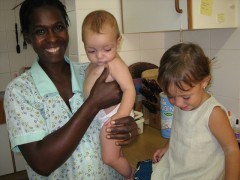
Ending coziness: A new status for domestic workers in Brazil
Written by Aline Marsicano Figueiredo
A nation essentially dedicated to agriculture for so long has to face some serious challenges when modernization touches rural areas and expels the people who live there. “The city is, more than ever, a poverty pole”, says Milton Santos, a Brazilian geographer in “A Urbanização Brasileira”(“Urbanization in Brazil”), a place whose […]
-

Empoderamiento femenino en Bolivia: Una deuda pendiente
Written by Diego Salama
Abstract: Women in Bolivia have been isolated from public life for over 120 years. It was only in the middle of the 20th century when the situation began to change and women were given a bigger say in Bolivian affairs. Over the past decades there has been significant milestones and it […]
-

The UK’s Cancerous Poverty Crisis
Written by Guy Sephton
The gap between the rich and the poor in the UK is just as big an issue as ever. Today though, this gulf is presenting new problems in the form of one of Britain’s biggest killers in recent years: breast cancer. Since the 1970s, the disease has developed from affecting relatively […]
-
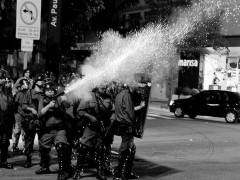
Brazil in the Afterglow of its Awakening
Written by rodolfomohr
Twenty cents, that’s what we’re talking about. The massive mobilization of the Brazilian population in June was sparked off by the fight to get rid of the 20 cent hike in public transport fares. Students were the first to call for the marches, which this time had a new […]
-
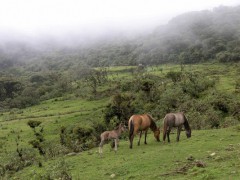
El agronegocio soyero: ¿a quién alimenta?
Written by Lucia Querejazu
Abstract: The Bolivian government is planning to expand the agricultural border from 3 million hectares to 13 million in twelve years. This raises two big questions: Where will these extra ten hectares be located? And what will be grown in them? If it is soy, as in the 37% of […]